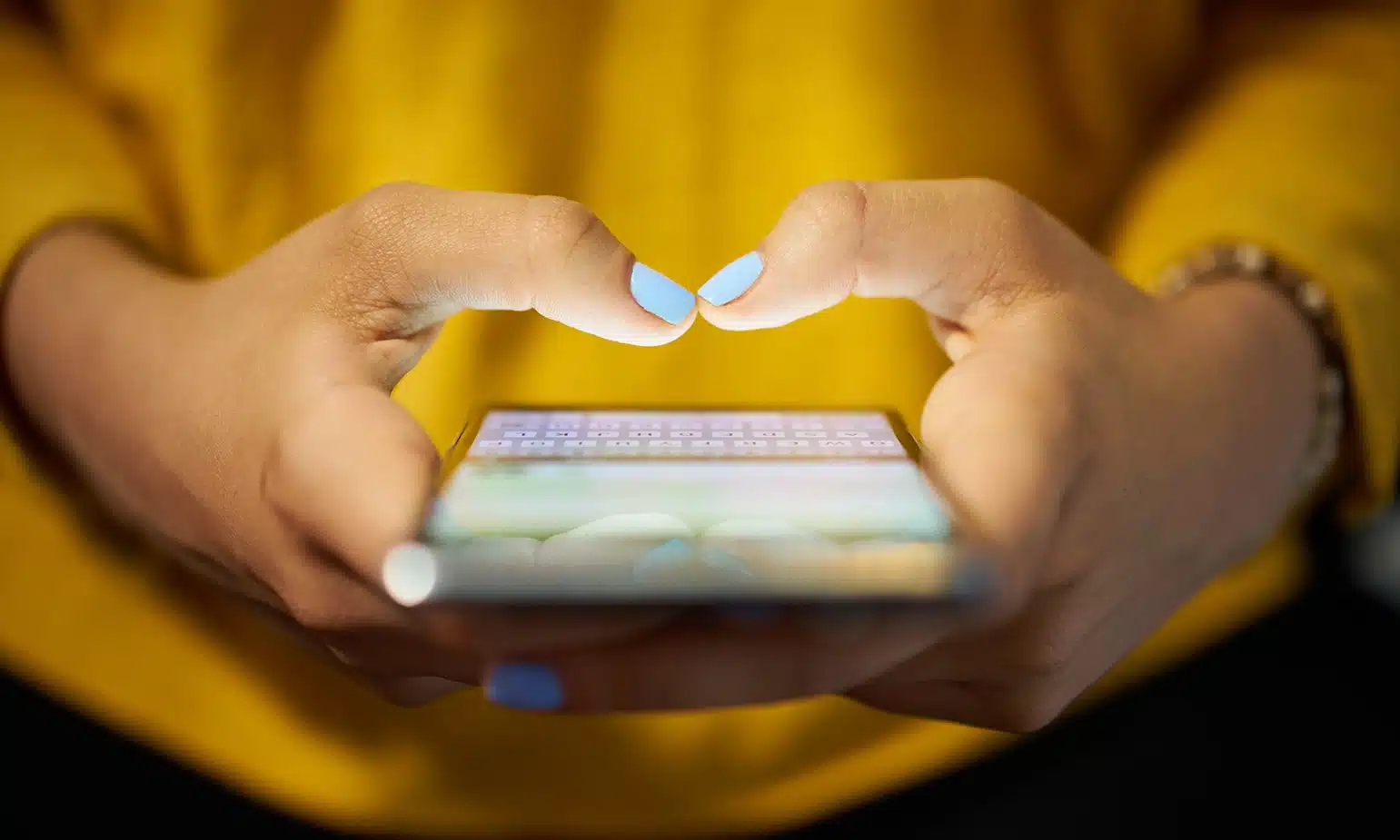
Social media has become a major part of modern life. It allows us to connect with friends, share experiences, learn new things, and stay updated with the world. However, while social media has many benefits, it can also influence mental health in both positive and negative ways. Understanding how to use it mindfully can help create a healthier balance between staying connected and maintaining emotional wellbeing.
The Positive Side of Social Media
Social media is not entirely harmful. In many ways, it offers meaningful advantages. It helps people maintain relationships, especially when distance makes in-person communication difficult. Social platforms allow users to express creativity through photos, writing, or video content. They also provide access to support groups and communities where people can share experiences, offer advice, and feel understood. For many, social media is a place to learn, explore new interests, and feel a sense of belonging.
When Social Media Impacts Mental Wellbeing?
Despite its benefits, social media can become overwhelming when not used mindfully. Constant exposure to other people’s highlight reels can create unrealistic expectations and comparisons. Seeing carefully edited images or achievements may lead someone to believe that others are happier or more successful. This can affect self-esteem and self worth. In addition, the fast pace of social feeds and continuous notifications can make it difficult for the mind to rest, leading to stress or anxiety.
Scrolling late at night can also disrupt sleep, which is essential for emotional balance. In some cases, negative comments or online conflicts can impact mood and confidence. When social media begins to cause pressure or worry instead of enjoyment, it may be time to pause and reflect.
Signs You May Need a Social Media Reset
You do not need to quit social media entirely to protect your mental health, but noticing how it makes you feel is important. Some signs you may need a break include feeling stressed after scrolling, comparing yourself to others, losing sleep due to late-night use, or feeling pressure to post or respond constantly. Awareness helps you make adjustments that support wellbeing.
Create Healthy Social Media Habits
Finding balance begins with simple habits. Start by setting time limits. For example, choose certain times of day to check your accounts instead of opening them constantly. Turning off non-essential notifications can reduce distractions and create a calmer environment. Curating your feed is also helpful. Unfollow or mute accounts that make you feel stressed or insecure, and follow accounts that inspire positivity, creativity, or learning.
You can also try digital boundaries. For instance, keep your phone away during meals, before bedtime, or when spending time with others. These small changes allow you to be more present and reduce the feeling of being constantly connected.
Focus on Real Connections
Social media can sometimes replace meaningful interaction with quick likes or comments. Prioritizing real communication helps create deeper emotional support. Try calling a friend instead of messaging, or meeting in person whenever possible. Building strong offline relationships is one of the most powerful ways to support mental health. Humans naturally thrive through genuine conversation, empathy, and shared experiences that go beyond the screen.
Use Social Media as a Tool, Not a Measure of Worth
It is important to remember that social media is a highlight reel, not a full picture of someone’s life. People share achievements, joyful moments, and attractive images, but rarely the challenges they face. Keeping this in mind helps you avoid comparison. Your value does not depend on likes, followers, or comments. Use social media for connection and creativity rather than self judgment.
Conclusion
Social media is neither entirely good nor entirely harmful. The difference lies in how it is used. By setting boundaries, staying aware of your feelings, and focusing on real-life connections, you can enjoy the positive sides of social media while protecting your mental wellbeing. A healthy balance allows you to stay connected without losing your sense of self.
Visit these links for similar information:
https://www.autoviews.com.au/
https://www.cartalks.com.au/
https://www.truepress.com.au/
https://www.primepost.com.au/
https://www.financewire.com.au/
https://www.investorsdesk.com.au/
https://financejournal.com.au
https://digitalechnology.ca/
https://technologyresearch.ca/
https://healthindustry.ca/
https://businessledger.ca/
https://bankingandfinance.ca/
https://businessinvesting.ca/
https://travelandtour.ca/
https://worldtraveltour.us/
https://topeducations.us/
https://betterthisworld.co.uk/
https://avstarnews.co.uk/
https://digitalbeanstalk.com.au/
https://designoutdoorblinds.com.au/
https://piechartscanbepizzas.com.au/
https://heatherhawk.com.au/
https://trellisdesignlab.com.au/
https://pakoasianstore.com.au/
https://solucorplegal.com/
https://christiangayschat.com/
https://masnews.org/
https://Forlicoupon.it/
https://teenladysex.com/
https://limzpoker.com/
https://hfhmjhome.com/
https://donacopoker.org/
https://goodgood.me/
https://invsys.co.uk/
https://nsteam.org/
https://fashiontrendlook.com/
https://bundallecc.com.au/
https://ywitg.com.au/
https://lhospital.org/
https://cupihd.org/
https://ungroundedthinking.com/
https://pokerdiamond.net/
https://arwanapoker.org/
https://fossiloftheday.com/
https://lamentable.org/
https://plateaustategov.org/
https://verlindenswa.com.au/